Every Edmonton business that still runs on brass keys is carrying a small, invisible liability. A key walks out the door with a former employee. A contractor gets a copy cut. A fob goes missing over a long weekend and nobody is quite sure who has access to the back of the building anymore. None of it feels urgent until the day it does. Access control is how you stop guessing who can get in, and it has come a long way from the clunky systems people remember from a decade ago.
This guide walks through how modern access control actually works, what the realistic options are for a shop, office or acreage around Edmonton and Alberta, and the things that genuinely matter when you put electronic entry hardware on a door that sees minus 30.
Why Keys Quietly Cost Edmonton Businesses Money
A physical key has no memory. It cannot tell you who used it, when, or whether it was copied at a hardware store on the way home. For a single-door retail unit that might be acceptable. For a warehouse in the south Edmonton industrial belt with shift staff, delivery drivers and a cleaning crew, it is a standing problem.
- Re-keying is the hidden tax: Lose track of one master key and the honest fix is re-keying every affected lock. On a multi-door site that is a real invoice, and it repeats every time someone leaves on bad terms.
- No record: When something goes missing overnight, "who had a key" is a shrug. An access system gives you a timestamped log of every door event.
- All-or-nothing: Keys do not do "cleaners can enter the lobby Tuesday and Thursday, 6 to 9 pm, and nothing else." Credentials do exactly that.
- Offboarding lag: Deactivating a card takes ten seconds from a laptop. Chasing a departed employee for a returned key takes weeks, if it happens at all.
The Four Ways People Open a Door in 2026
Most installs we discuss in and around Edmonton come down to four credential types, often mixed on the same site.
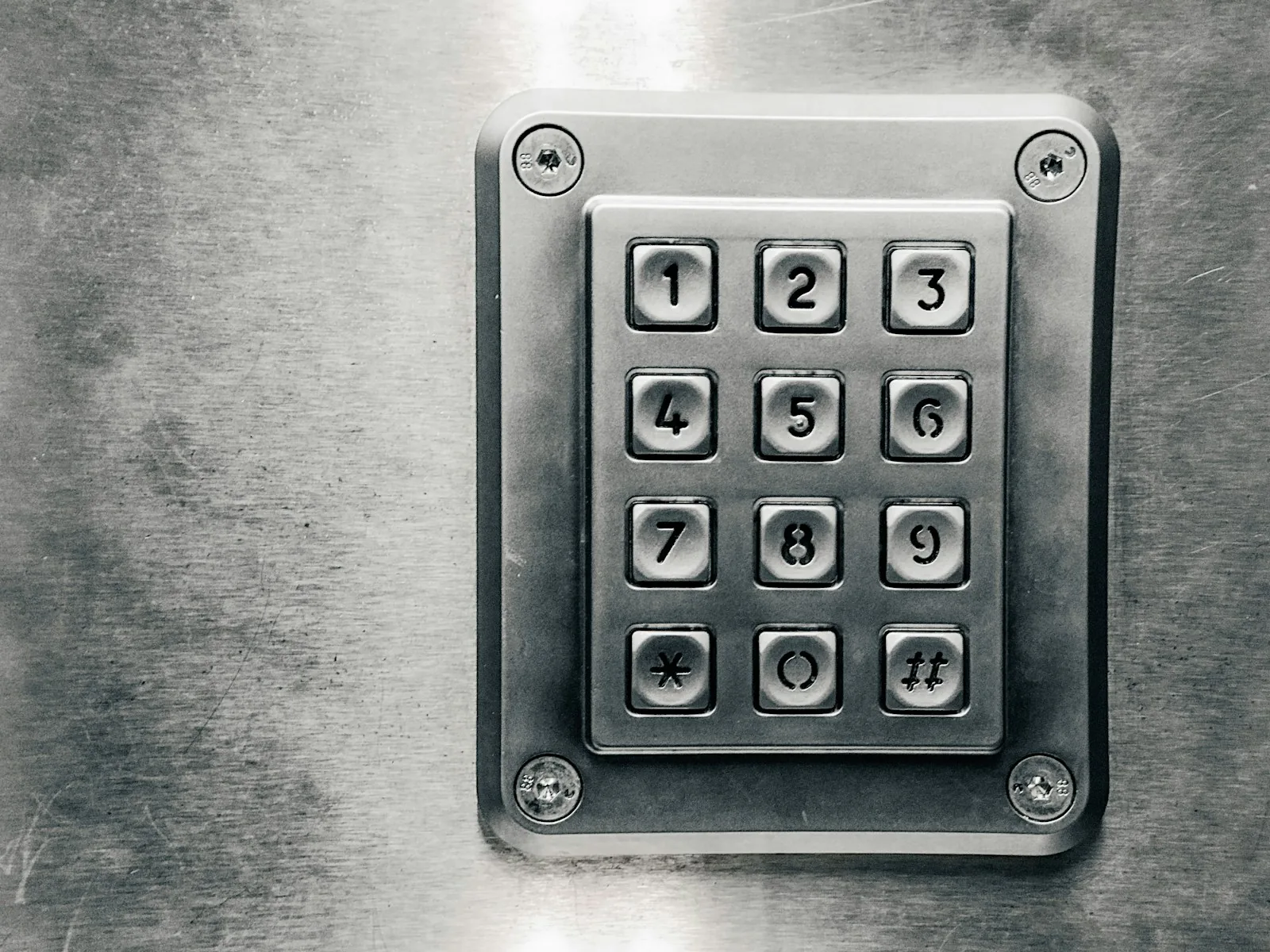
- Keypad / PIN: The simplest and cheapest. No card to lose, good for low-traffic doors and sheds. The trade-off is that codes get shared, so they suit places where you are not tracking individuals.
- Fob and card readers: The workhorse of commercial access. Each person gets their own credential, each door and time window is set per person, and a lost fob is deactivated instantly. This is what most offices and warehouses end up with.
- Mobile credentials: The phone is the key. Nothing to issue, nothing to collect, and access can be granted to a contractor for a single afternoon from anywhere. Increasingly the default for newer office fit-outs.
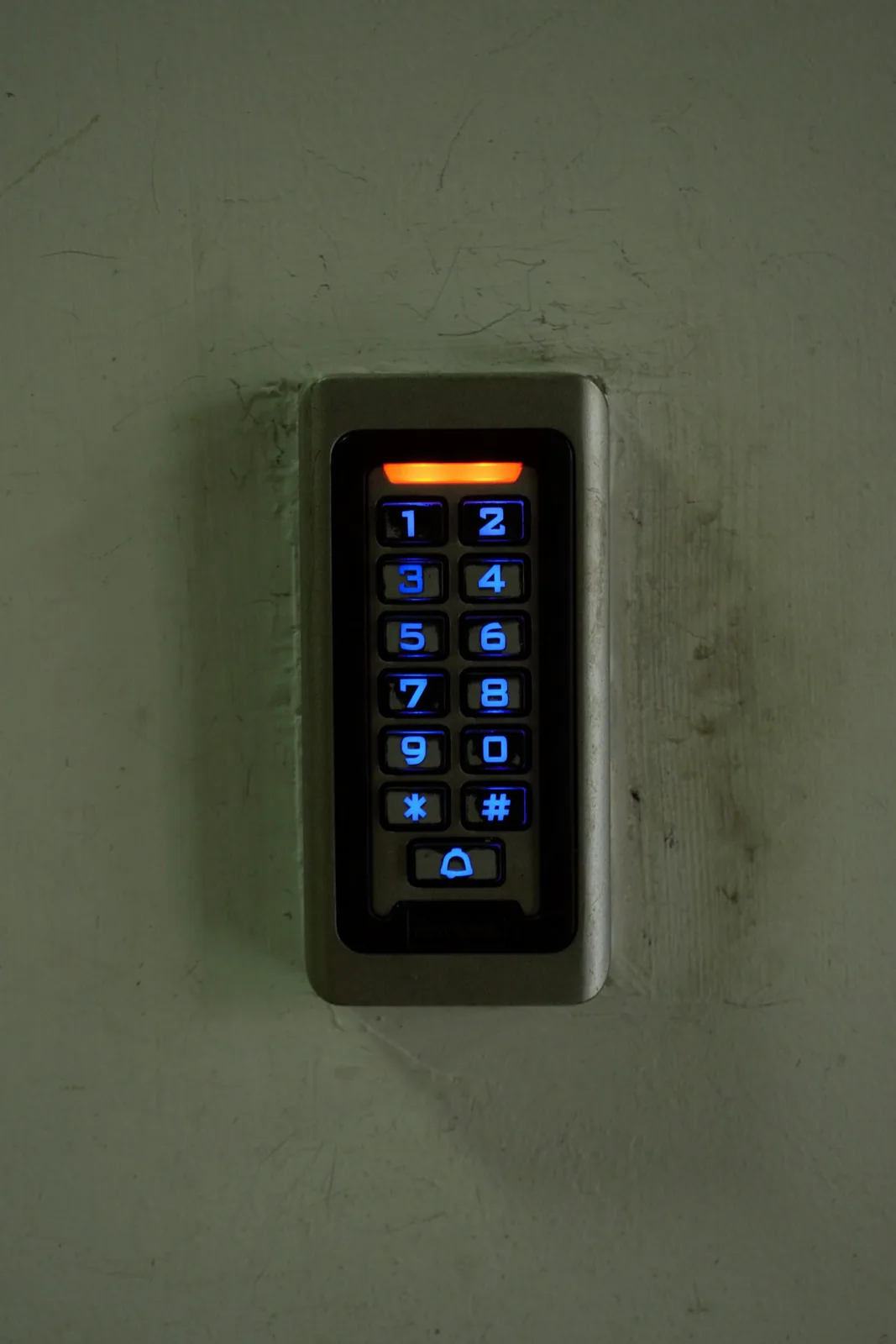
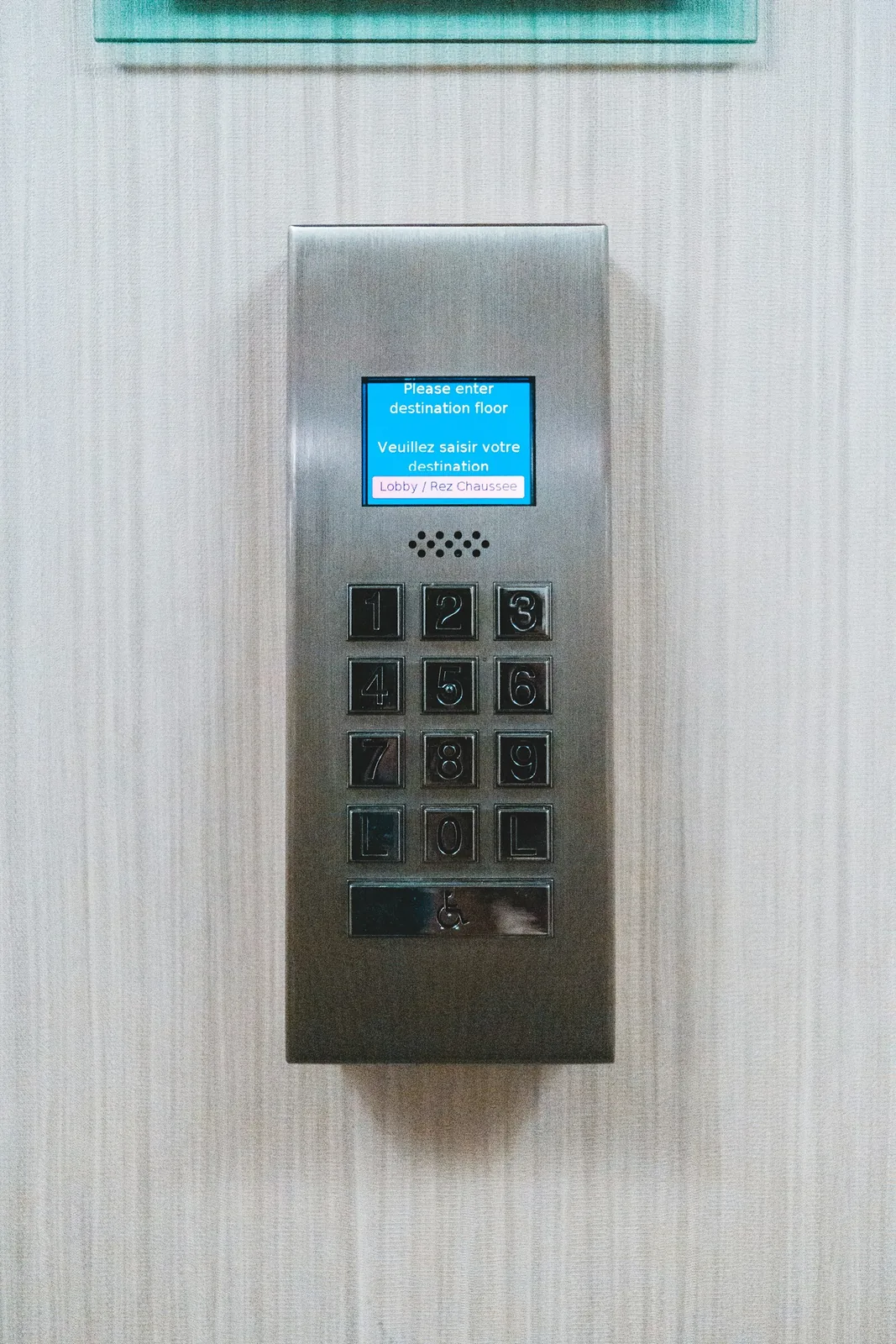
- Intercom and video entry: For front entrances where someone needs to be buzzed in. Pairs naturally with a keypad or reader so staff badge in and visitors call up.
Thinking About Access Control for Your Edmonton Site?
Free site visit, fixed-price quote, work to the Canadian Electrical Code. Call Navitas Electric on (403) 466-2338.
Call for a Free QuoteWhat Survives an Edmonton Winter
This is where a lot of cheap access hardware quietly fails. A reader that works fine in a showroom can behave very differently bolted to an exterior steel door in January. The things that actually matter here:
- Rated operating temperature: We only fit exterior readers and keypads rated well below minus 30. Edmonton hits minus 35 to minus 40 in a bad cold snap, and a unit rated to "minus 20" is a spring callout waiting to happen.
- Metal vs plastic faces: Backlit metal keypads tolerate the cold and the abuse better than thin plastic membranes, which crack and stop reading presses when they stiffen up.
- Maglocks and door closers in the cold: Door hardware shrinks and stiffens. We set strike gaps and closer tension with winter movement in mind, not just how the door behaves in October.
- Battery backup: Power blips happen. A small UPS on the controller keeps the doors behaving correctly through a short outage instead of failing in a way nobody planned for.
- Fail-safe vs fail-secure: On an exterior door this is a code and life-safety decision, not a preference. We work it through with you so the building still lets people out in an emergency while keeping them from wandering in.
Commercial Sites vs Homes and Acreages
Access control is not only a commercial product anymore. The conversation just looks different depending on the property.
- Offices and retail: Usually fob or mobile on the main doors, a keypad on secondary entrances, and a schedule so the building locks itself overnight without anyone touching it.
- Warehouses and shops: Readers on personnel doors, often tied into the overhead door controls, with logging so you know who opened the shop at 5 am.
- Acreages and rural properties: Around Edmonton this is frequently a gate keypad or intercom at the end of a long driveway, so deliveries and visitors are handled without anyone walking out in the cold.
- Multi-tenant buildings: Video entry at the street door and per-suite credentials, so each tenant manages their own people without involving the landlord.
What an Install Actually Involves
A straightforward single-door access install is usually a one-day job. Larger multi-door sites are scoped properly first so there are no surprises on the invoice. Here is the shape of it.
- Site walk: We look at every door in scope, how it is used, where power and network can reach, and whether the door hardware itself can take an electric strike or maglock cleanly.
- Controller and power: A central controller is mounted somewhere dry and serviceable, fed from a dedicated circuit, with battery backup sized to the door count.
- Cabling: Reader and lock cabling run back to the controller, fished through finished space where possible so it stays tidy and out of the weather.
- Door hardware: Electric strike or maglock fitted, request-to-exit and door-position sensing set so the system knows the real state of every door.
- Commissioning: Credentials enrolled, schedules and access groups built with you, and a walk-through so whoever manages it day to day is comfortable adding and removing people themselves.
- Inspection: Electrical work is done to the Canadian Electrical Code and inspected. We coordinate and attend the inspection.
Frequently Asked Questions
In most cases the existing door stays. We add an electric strike or maglock and a reader. Doors only get replaced when the existing leaf or frame physically cannot take the hardware safely, and we will tell you that on the site walk rather than on install day.
That is decided deliberately per door. Life-safety exits must always let people out. We size battery backup so the system rides through short outages, and we set each door fail-safe or fail-secure to match code and how the space is used.
If it is the right unit, yes. We only fit exterior readers and keypads rated well below minus 30, with metal faces rather than thin plastic membranes. Spec matters more than brand here, and it is the part cheap installs get wrong.
Yes. Adding or removing a person, changing a schedule, or pulling a door log is something you do from a laptop or phone in seconds. We set it up and walk you through it so you are not dependent on a callout for routine changes.
Not at all. A two-door keypad or fob setup is one of the most common jobs we do. It removes the re-keying problem entirely and usually pays for itself the first time a staff member leaves and you do not have to call a locksmith.